


Last updated on August 5, 2026 10:43 am
Lighting progress affords opportunities for designers to explore new, creative layouts and applications. Linear LED lighting improvements in performance, size and fixtures allow forms that twist and curve, fitting seamless connections and angles from floor to wall to the ceiling.
Previously, linear LED layouts permitted nominal fixture runs with standard 90-degree angles for commercial, retail, healthcare, hospitality and office installations. Today, many different fixture profiles, lengths and shapes can be mounted with a variety of conditions. Commercial lighting manufacturers now design fixtures with custom connections to create unique patterns to fit desired architectural styles. These tools may inspire the designer to carry out the richest version of an idea.
Table of contents
Modern Linear Lighting Profiles
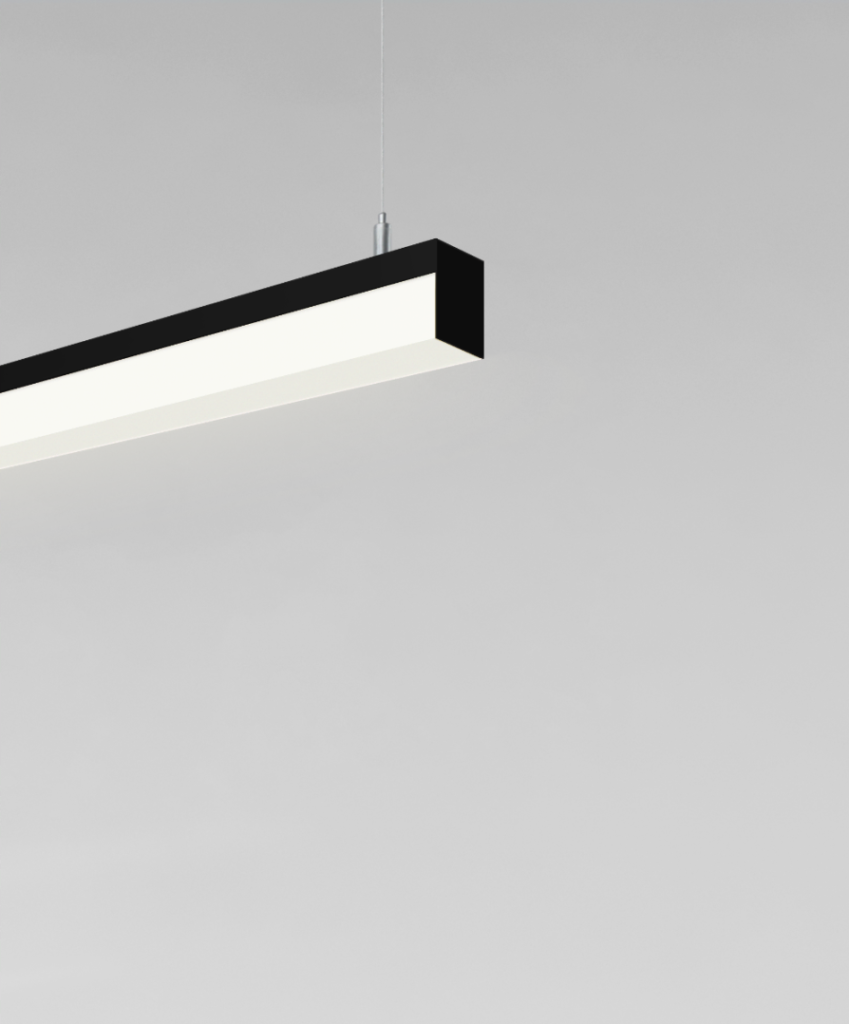
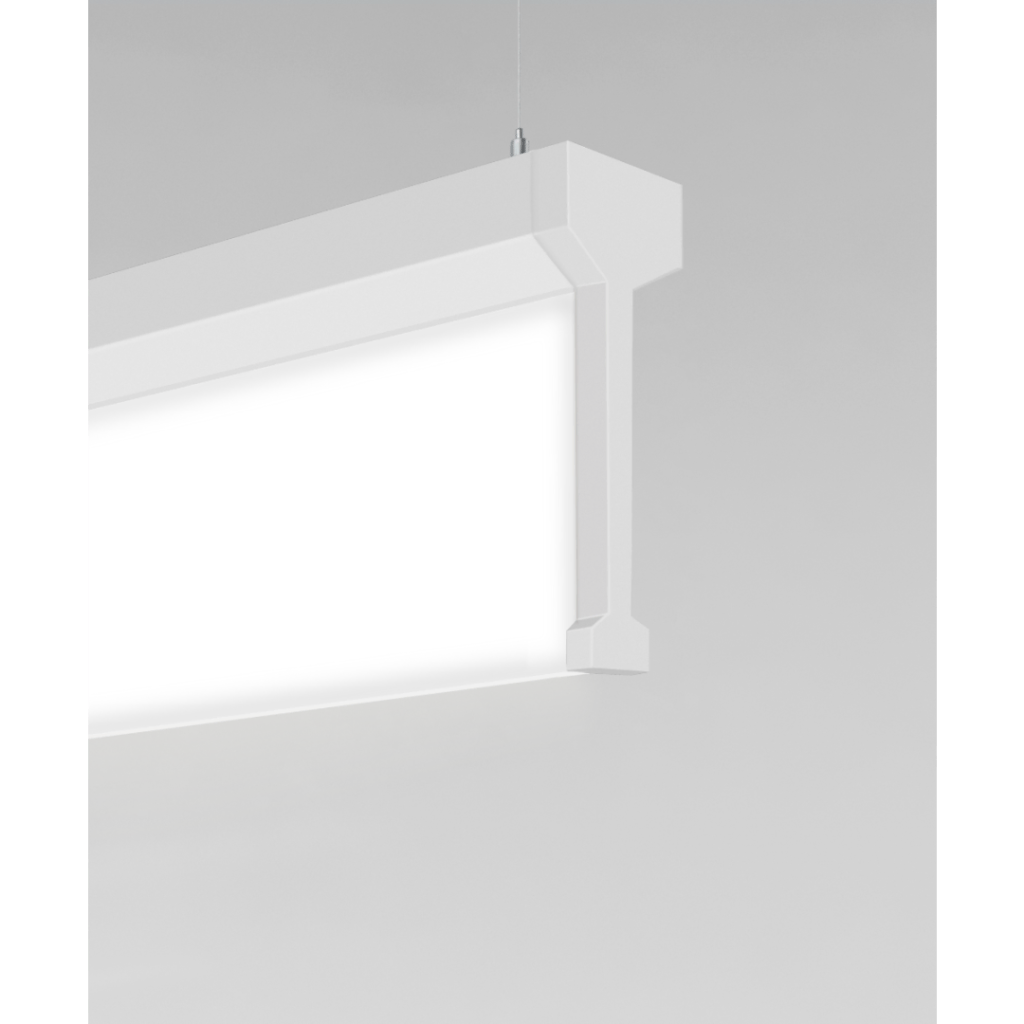
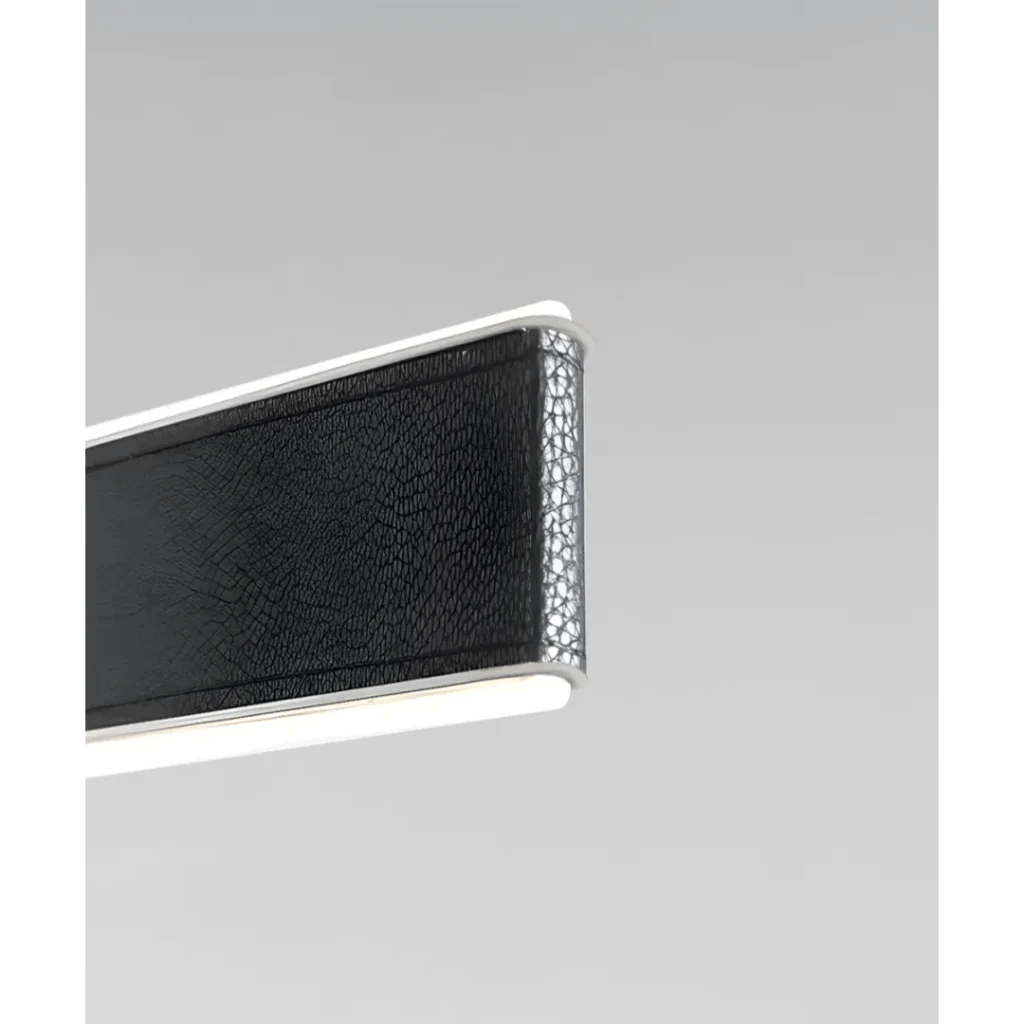
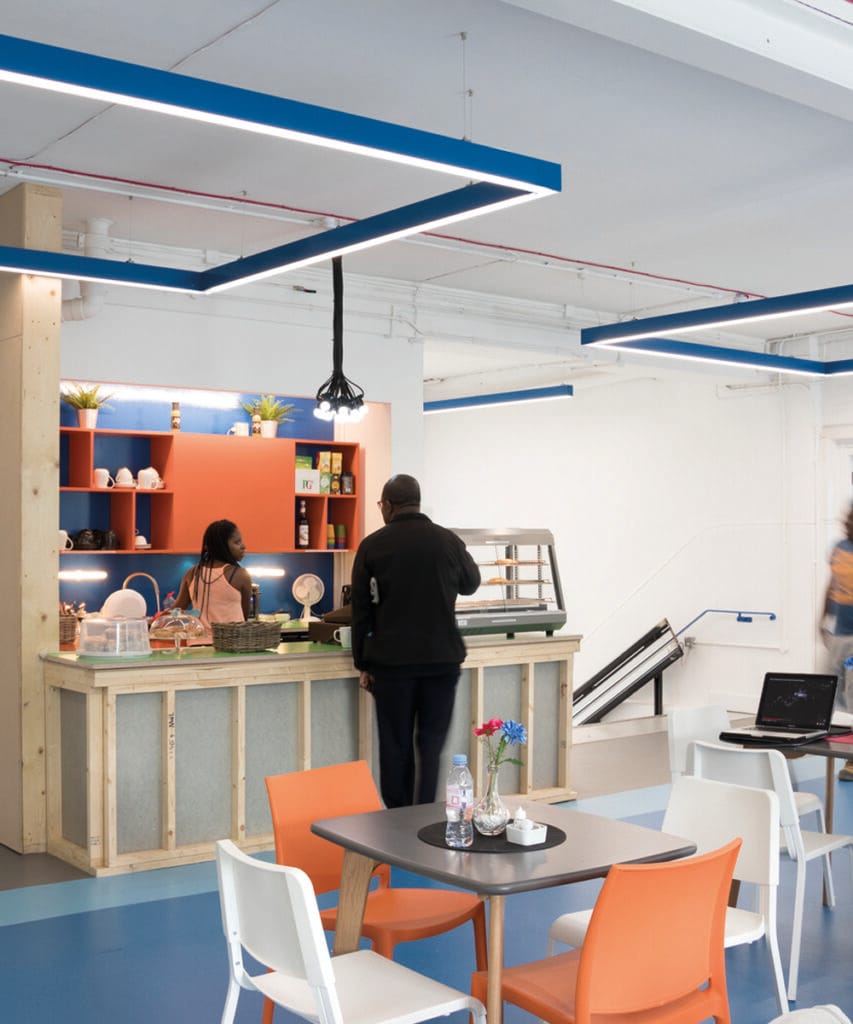
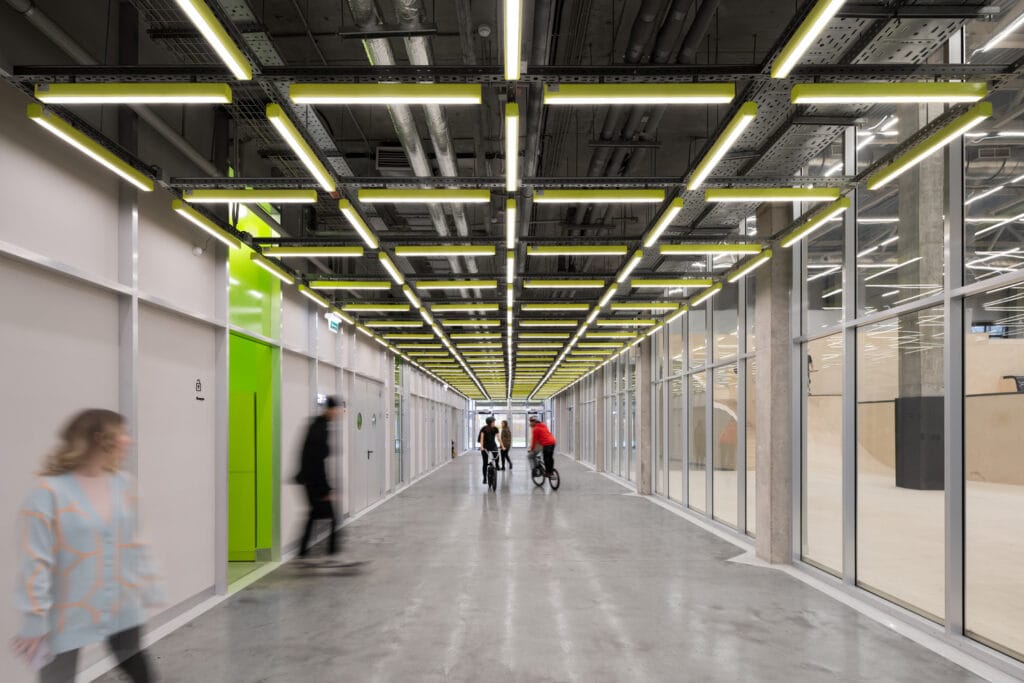
Exploring modern lighting fixture profiles and style options can accentuate the feel of a space, especially with common suspended linear lighting applications. Linear fixture profiles featured below illustrate variations that complement different designs and functions. As Perris Weber, an Alcon Lighting sales consultant, notes, “The beauty of lighting design right now is in breaking rules.” Commercial lighting manufacturers break from older styles by offering elegant forms and finishes. Linear lights with varying styles, colors and distributions complement interiors.
Cove Lighting as a Modern Linear Strategy
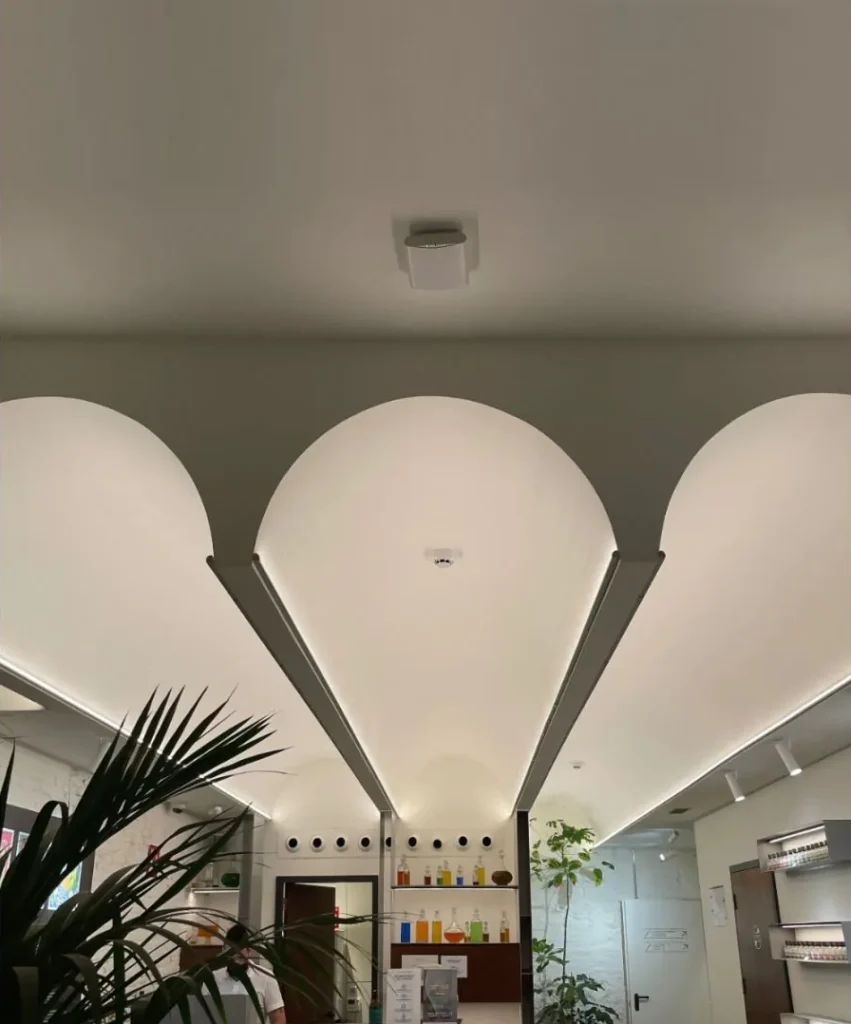
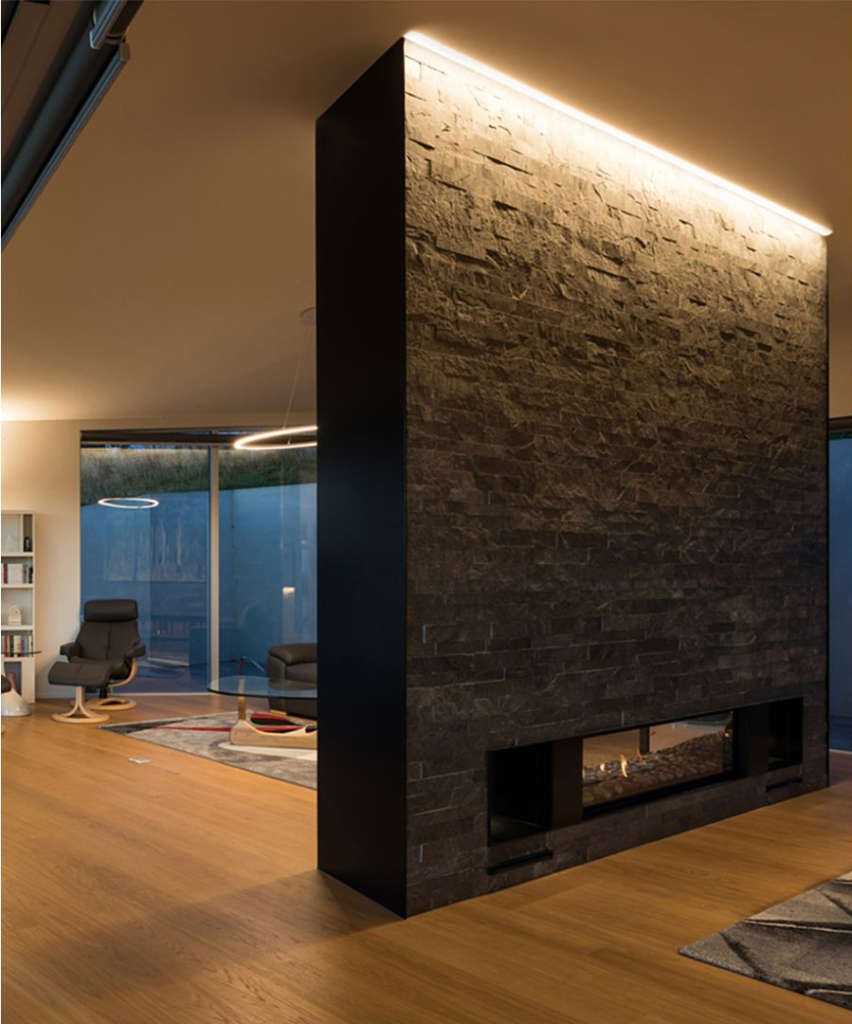
Cove lighting is one of the clearest examples of how linear lighting has evolved from a visible fixture into an integrated architectural element. Rather than presenting the luminaire as an object, cove lighting conceals the light source and uses the surrounding surfaces to distribute illumination, producing a soft ceiling wash that adds depth, height, and visual calm. In modern interiors, that subtlety is part of the appeal. It supports the broader trend toward seamless, continuous lines of light flowing from ceiling to wall to floor, while minimizing visual clutter and creating layered ambient illumination.
From a design standpoint, cove lighting reflects the same principles that define contemporary linear lighting systems: continuous runs, careful control of the light source and thoughtful attention to how light interacts with architecture. When properly detailed, it can make a ceiling feel lighter, reduce glare and reinforce the geometry of a space without drawing attention to the fixture itself. With smart controls, Wi-Fi, Bluetooth Mesh, tunable white (CCT) and RGB+W capabilities, modern cove lighting systems can integrate seamlessly into the overall lighting strategy for both commercial and residential projects.
An IES-published article by lighting designer Chip Israel recommends using matte upper and interior surfaces, aligning the cove lip with the fixture to control hotspots and sizing the cove for both the intended light distribution and contractor access. It also recommends documenting the beam spread and fixture orientation and testing the detail with a mockup when necessary.
New Configurations and Patterns
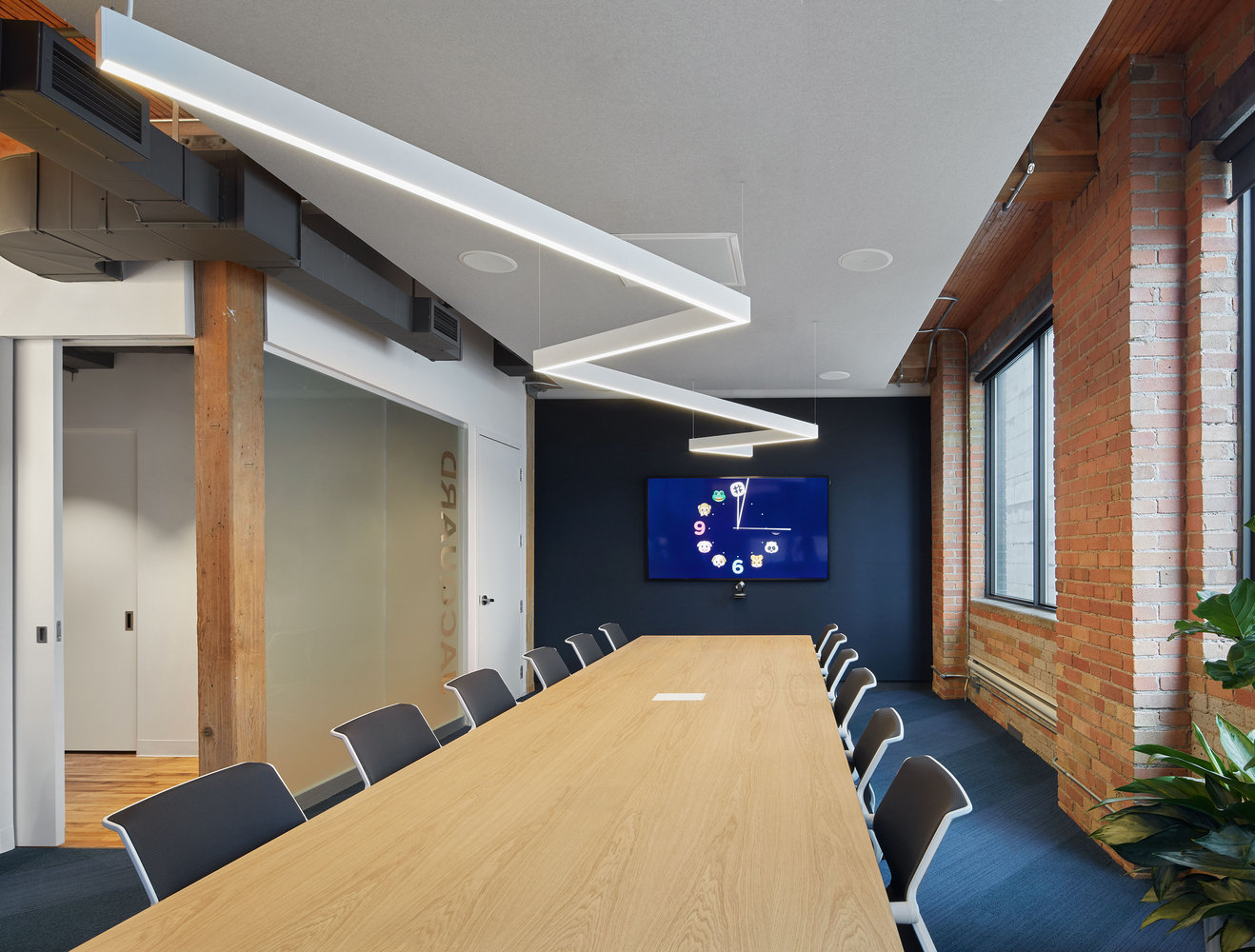
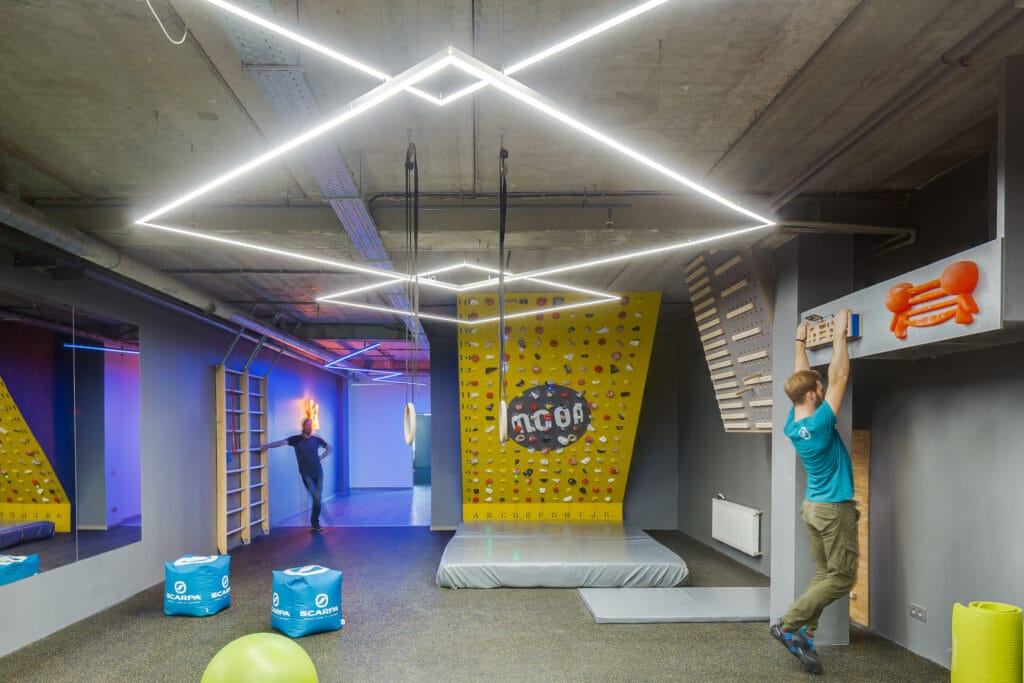
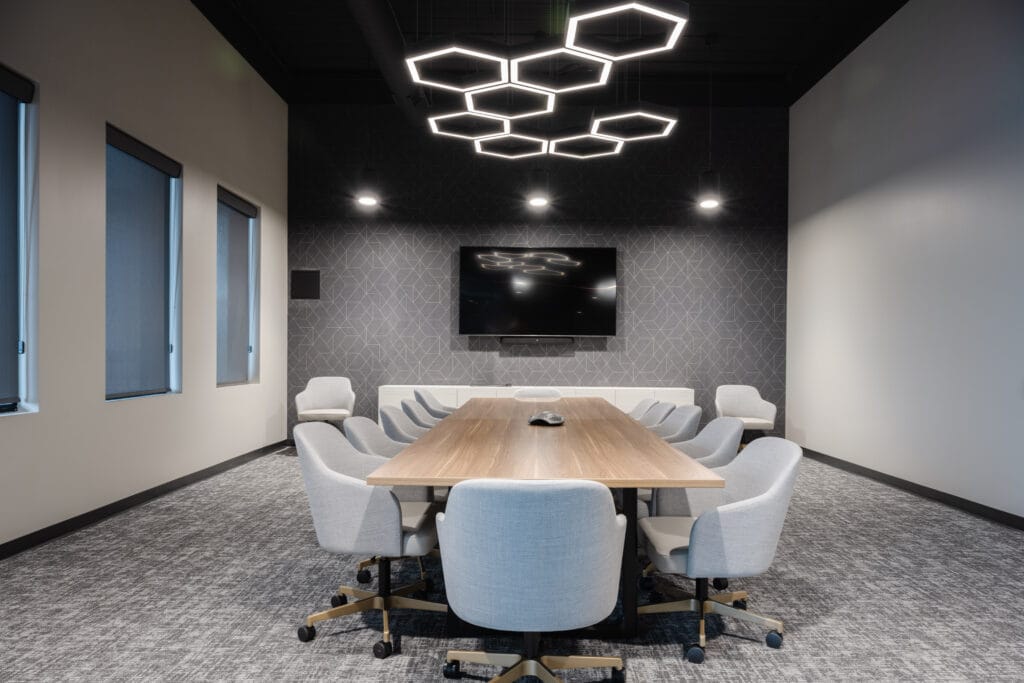
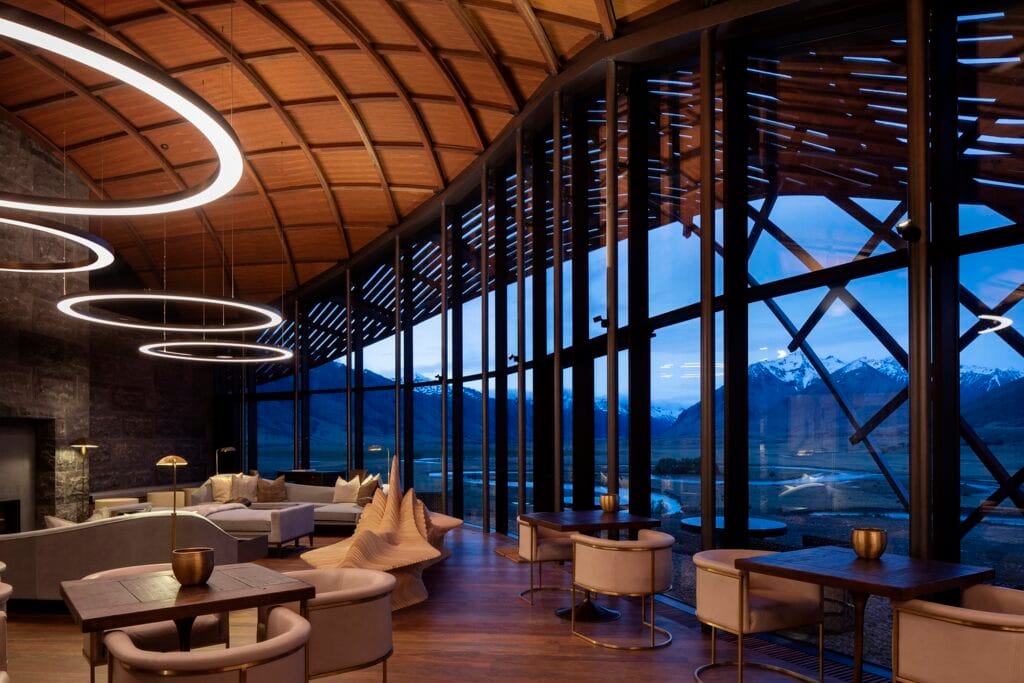
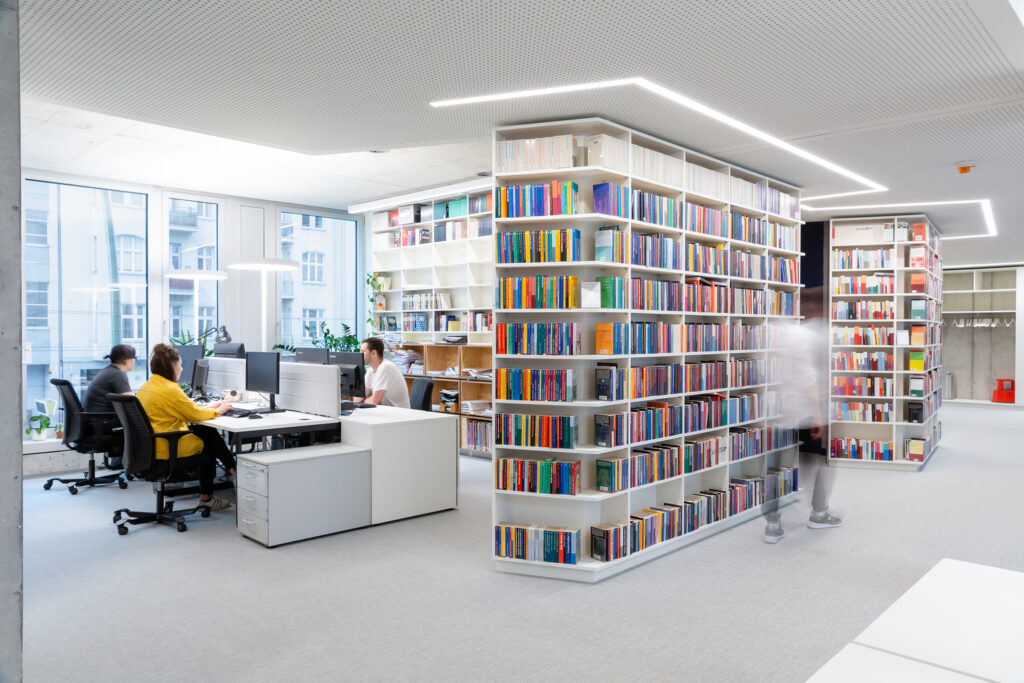
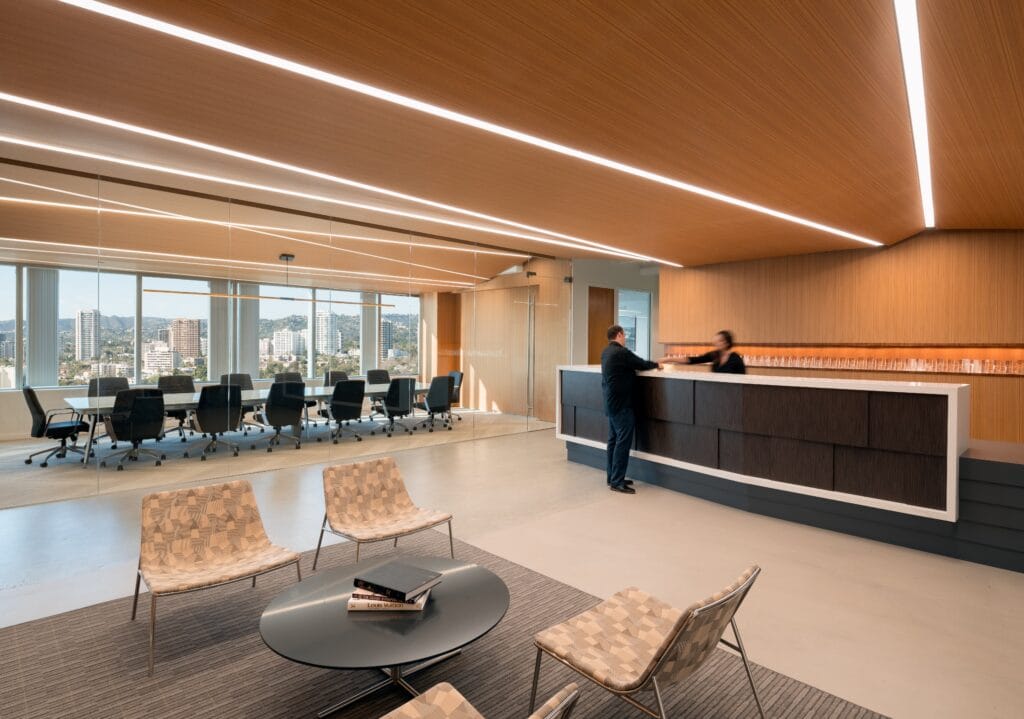
It is now easy to find linear fixture styles that feature smooth and fully illuminated corner connections that form rectangles, triangles, hexagons, crosses, curves, etc. “I’m seeing custom-length commercial linear lights, which can be suspended or recessed on ceilings or walls – get spec’d as zigzags, snake-like patterns, and designs asymmetrically linking wall to ceiling to floor,” Alcon Lighting’s Weber says. “When architects call with imaginative ideas, in addition to the challenge, I get so giddy and excited at the opportunity to execute their unique design layouts.” The shapes and patterns shown below integrate into the unique architecture of any given space.
Three-Dimensional Designs
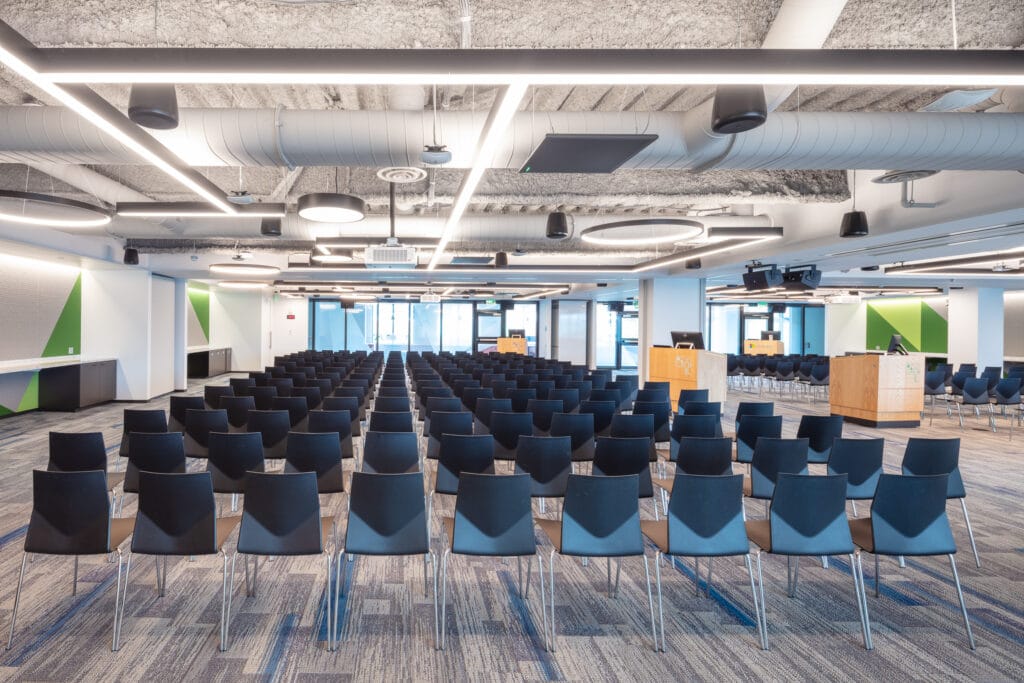
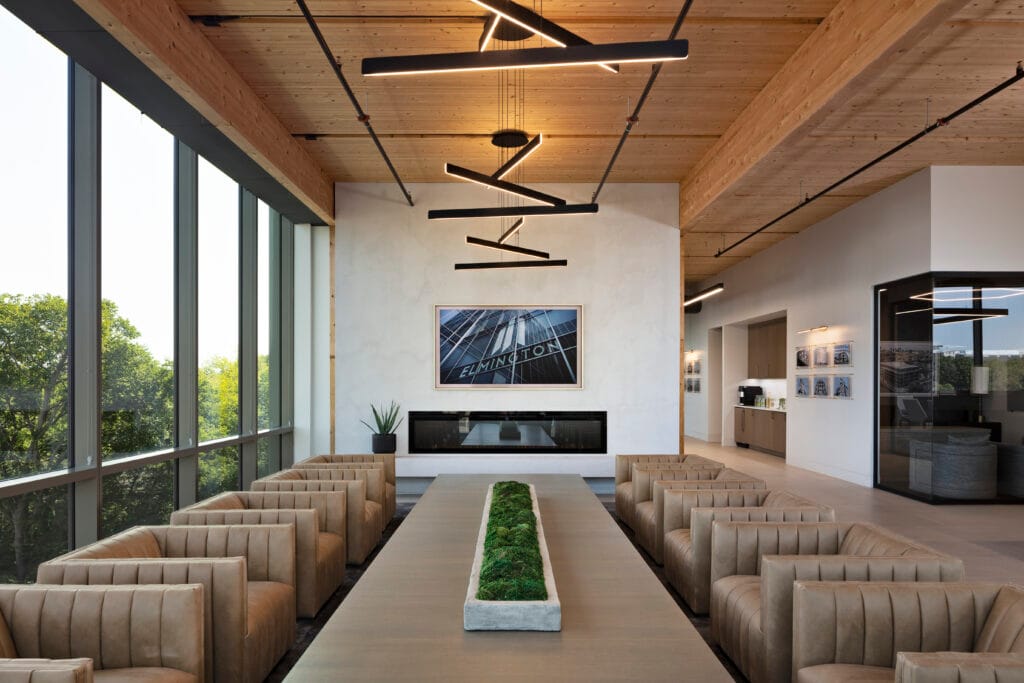
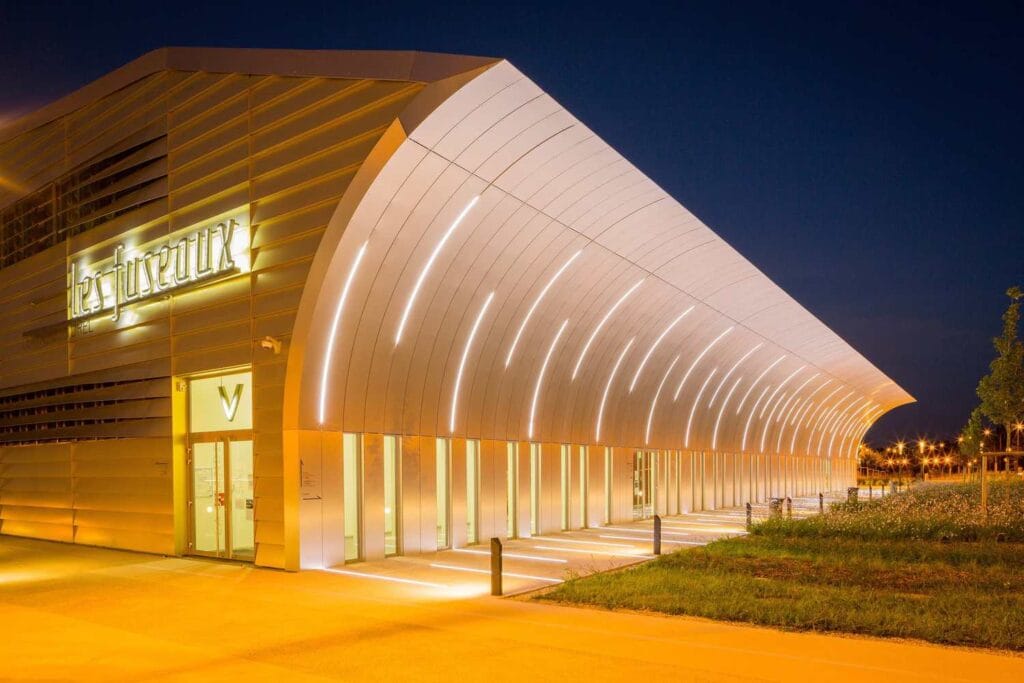
Striking light fixture shapes affect a custom look which can define a space. The use of free-flowing patterns allows the product’s appearance of light to create an artistic volumetric design. Custom patterns go further when horizontally and vertically positioned. As shown, three-dimensional designs can architecturally and decoratively cast a distinctive aura over the space.
Recessed Lighting
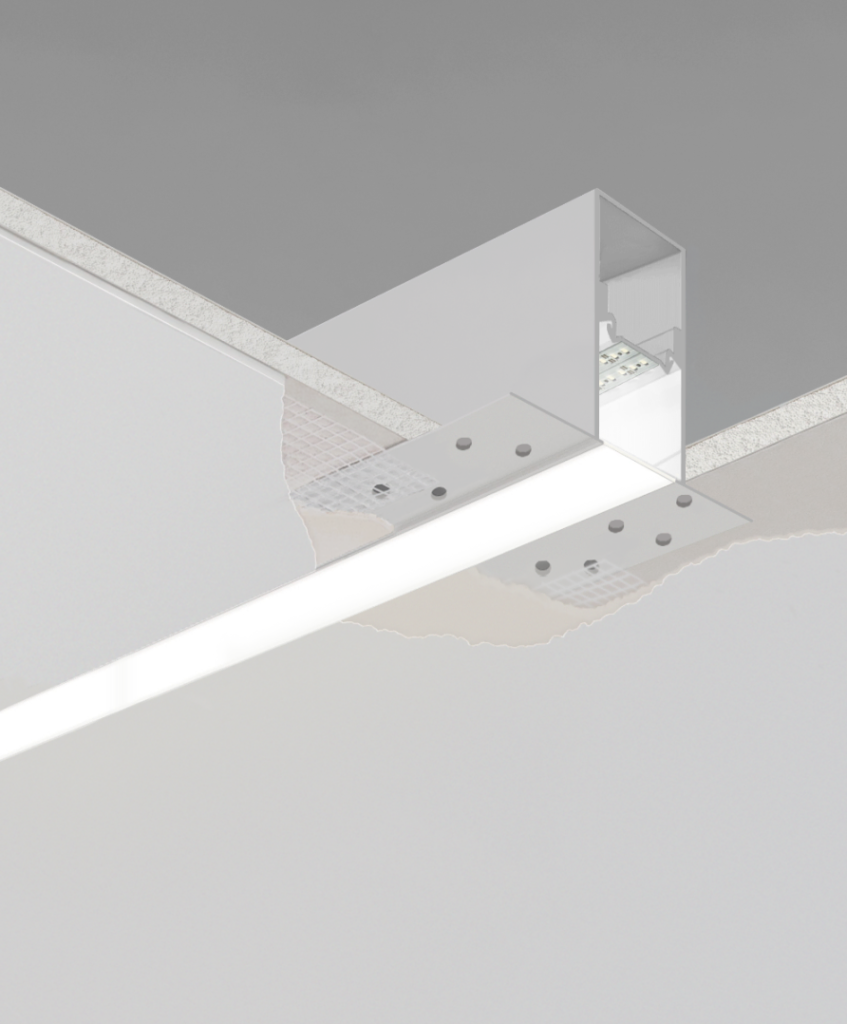
Refined lighting design requires integrating lighting fixtures into architectural details. For clean linear lighting, mud-in, spackle flange or trimless fixtures have become available to recess lighting into architectural elements. Newer designs reflect various mounting conditions, realizing bold concepts.
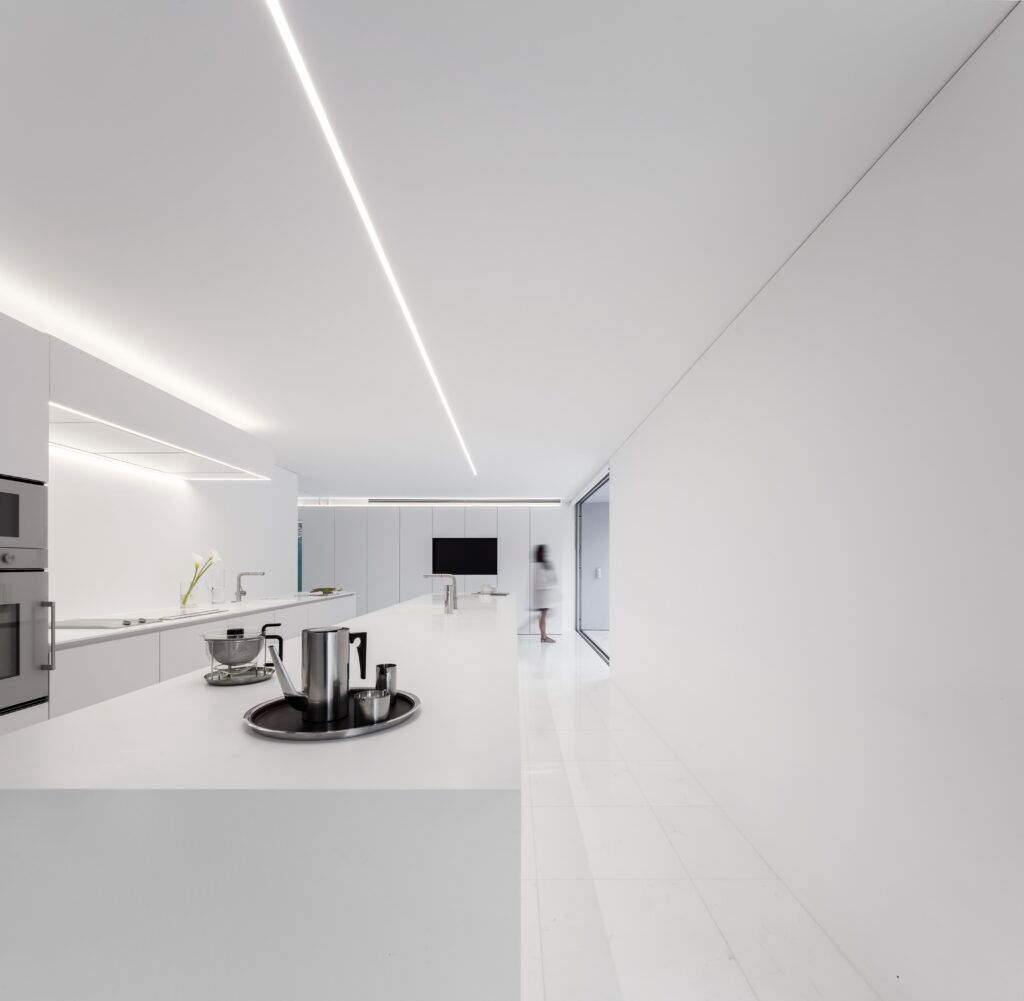
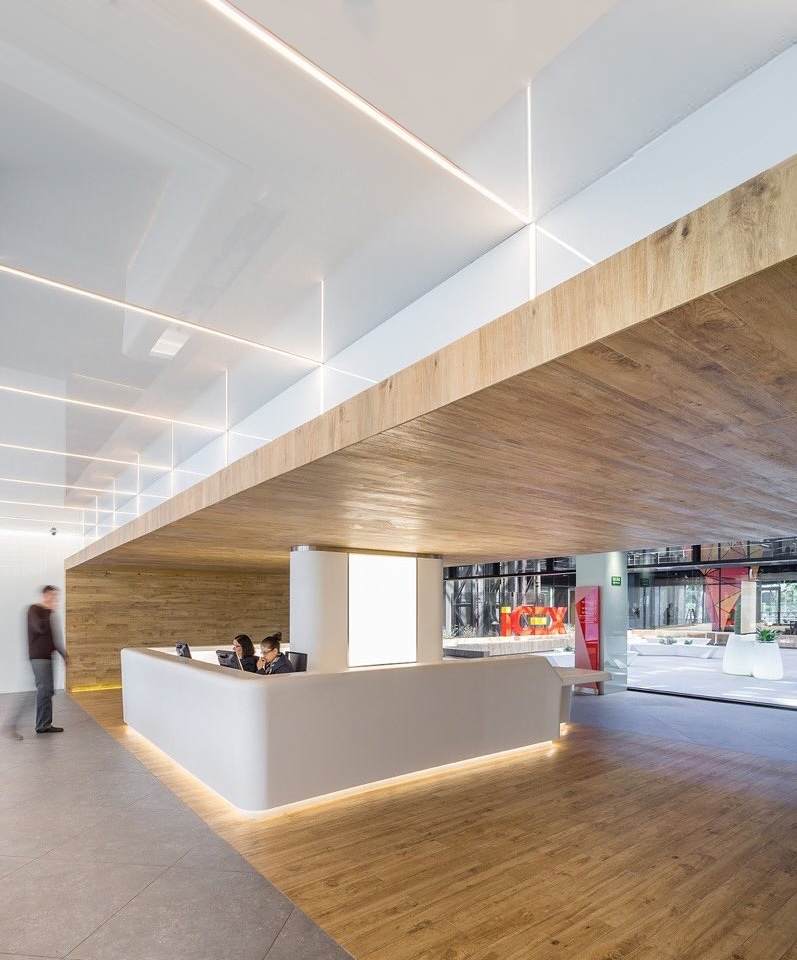
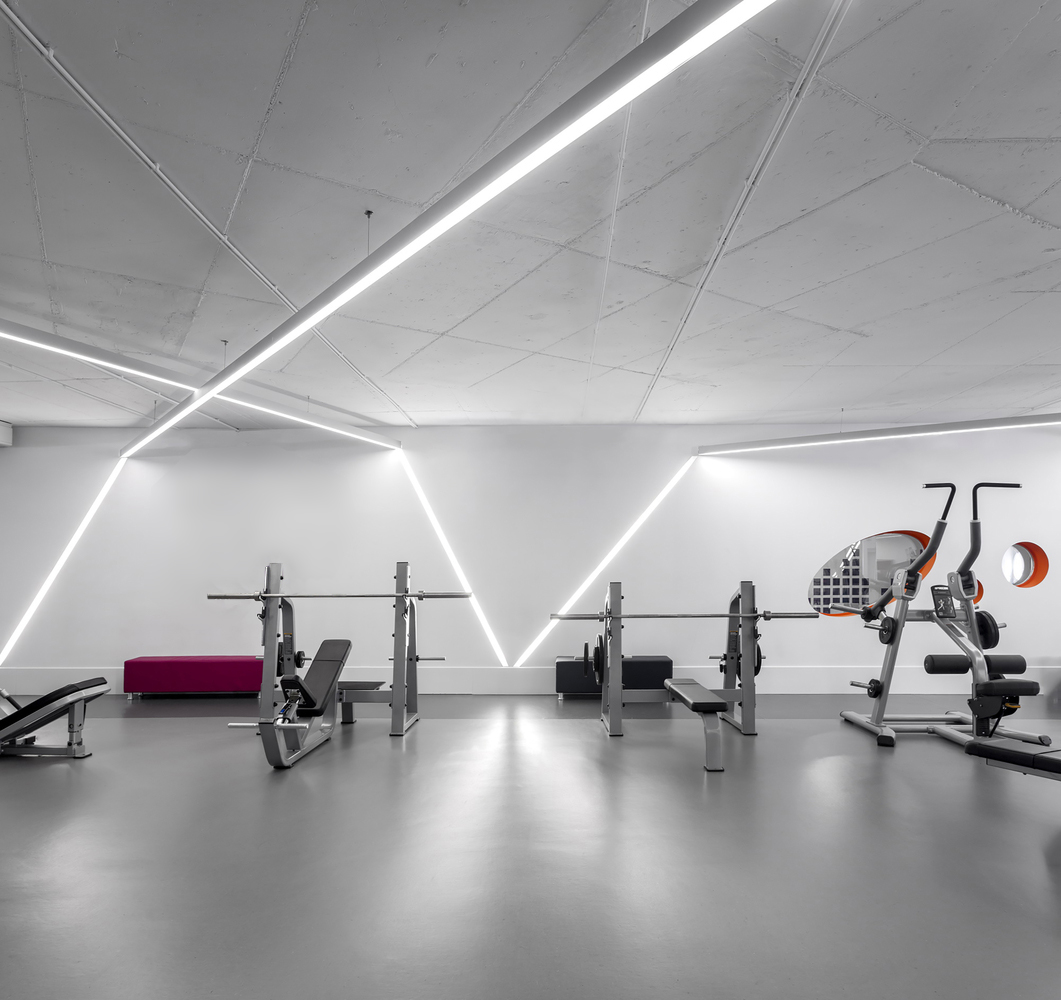
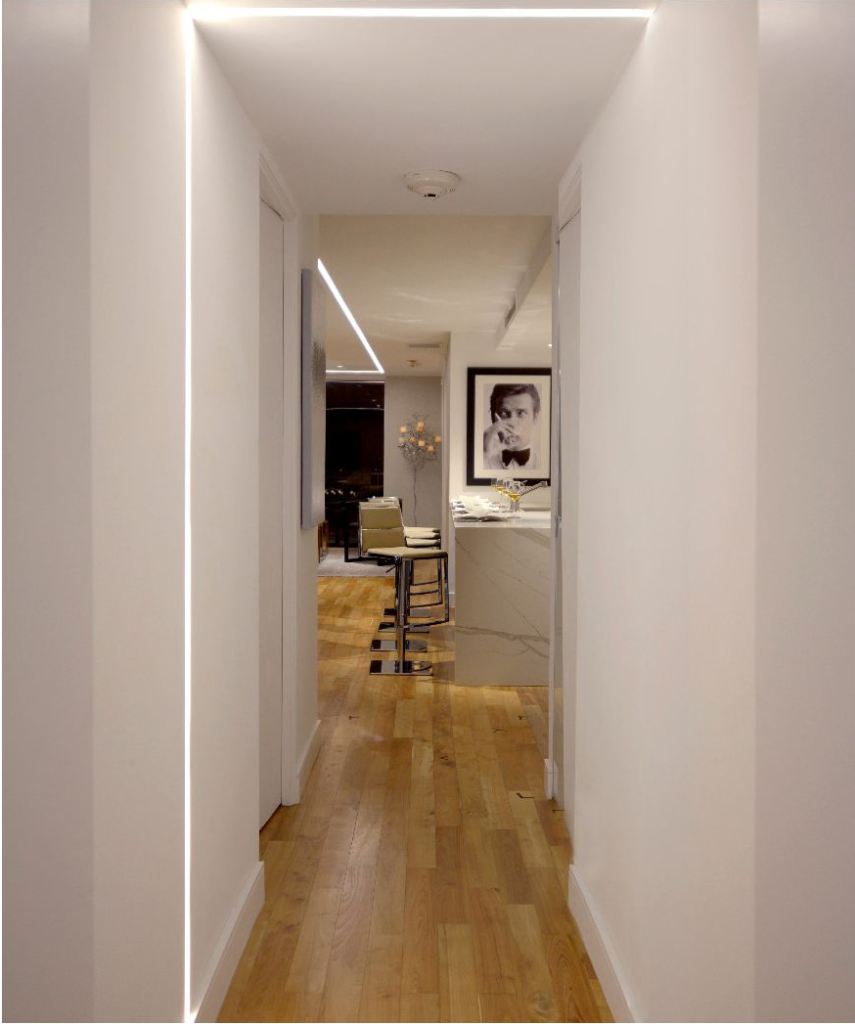
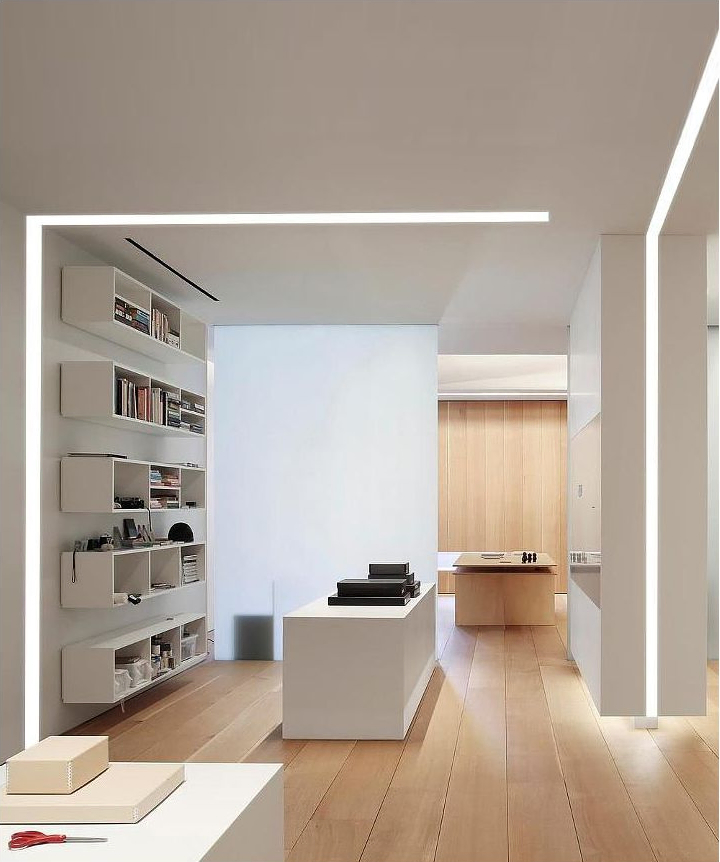
Recessed lighting for walls and ceilings can cast glowing channels to trace artistic designs, carving space or illuminating corners. These lighting developments afford dynamic transitions for unique effects.
From Ceiling to Wall to Floor
“Our linear lighting is a versatile lighting system designed to offer a cohesive and customizable linear lighting experience,” Jake Hakimi, co-founder of Alcon Lighting, explains. “The beauty of this linear lighting series lies in its adaptability.”
This linear lighting system is more than just a connection of various installations. It’s a seamless integration, spanning recessed lights in the ceiling, wall or floor to surface-mounted fixtures on the wall and ceiling and pendant lights suspended from the ceiling. This ensures a unified linear lighting design that flows across different planes, creating a visually cohesive effect.
The system accommodates different installation methods, providing options such as trimless or mud-in installations, where the channel integrates flush with the wall, ceiling or floor surface. This flexibility ensures a clean and modern aesthetic, regardless of the space’s architectural features.

What do you see replacing LED Lighting in the next 20 years?
As far as technology, Organic LEDs could potentially replace standard LEDs but the jury’s still out.